
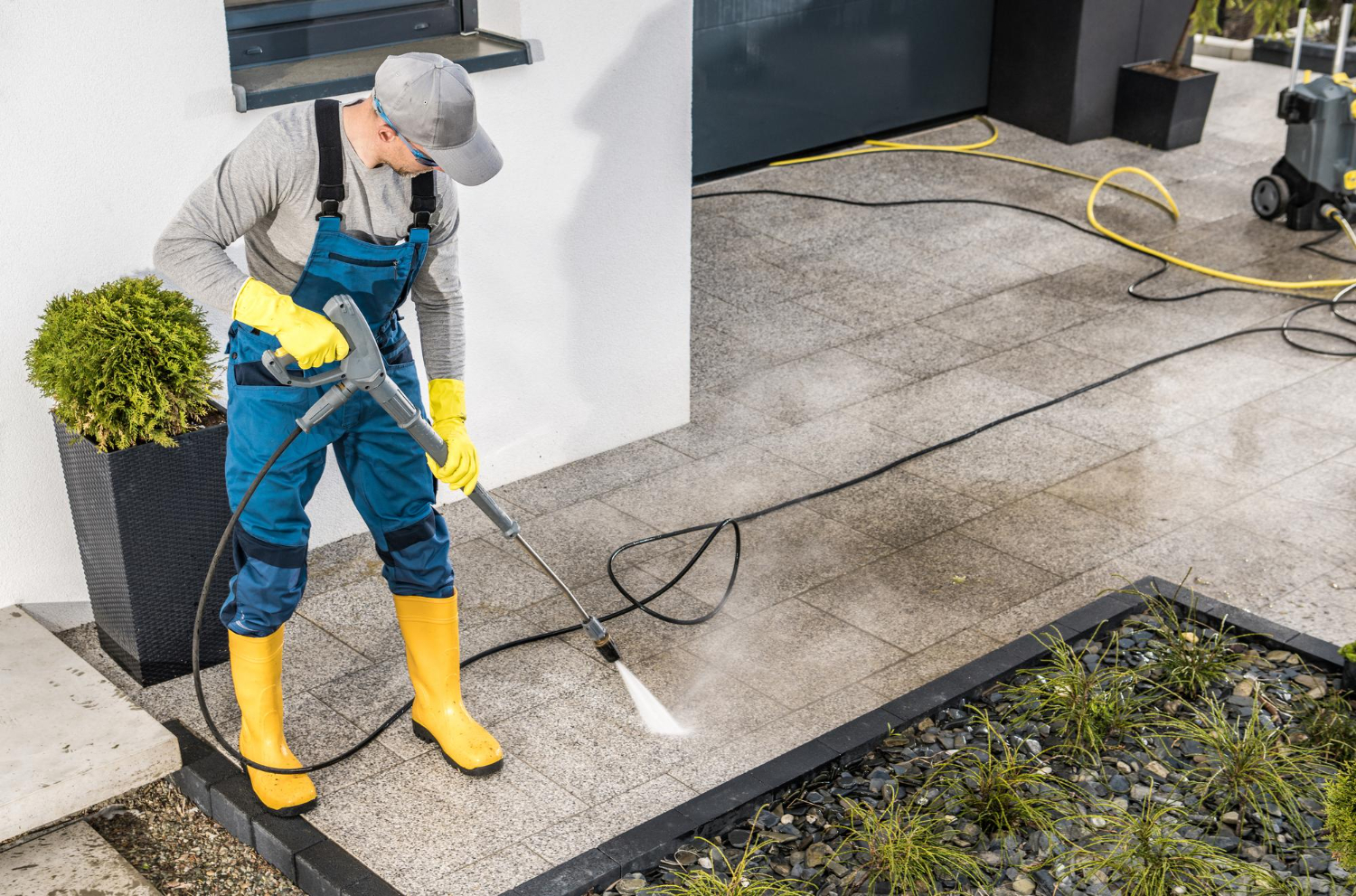
Your home’s exterior faces constant exposure to dirt, mold, mildew, and grime that slowly build up over time. Residential exterior power washing uses high-pressure water to blast away these unwanted materials and restore your property’s appearance.
Home pressure washing can remove years of buildup in just hours, making your house look fresh and well-maintained while protecting its structural integrity. Most homeowners wonder whether they should tackle this job themselves or call in professionals. The right approach depends on your equipment, experience, and the specific surfaces you need to clean. A typical residential power washer operates between 1,500 and 4,000 PSI, with most home projects requiring around 2,000 to 3,000 PSI.
In this guide, you’ll find everything you need to know about residential exterior power washing, including which areas need attention, how to clean safely without damaging your property, and when it makes sense to hire experts instead of doing it yourself.
- Why residential power washing matters
- Key areas to power wash
- Techniques for safe and effective cleaning
- Benefits of hiring professional power washers
- Maintenance tips between power washes
Keep reading to understand what power washing actually protects, which surfaces need the most attention, and how to get results that last.
Why residential power washing matters
Power washing your home’s exterior protects your investment while keeping it clean and attractive. Regular cleaning removes harmful buildup and helps maintain the surfaces that protect your house from the elements.
Enhancing curb appeal and home value
A clean exterior makes your home look well-maintained and cared for. When dirt, grime, and stains cover your siding, deck, or driveway, your property looks older and neglected.
Power washing removes years of buildup in hours. Your siding returns to its original color. Your concrete looks fresh again. Your deck appears newer.
This improved appearance directly affects your home’s value. Real estate professionals know that buyers judge homes within seconds of arrival. A clean exterior creates a strong first impression that can increase offers.
You also benefit even if you’re not selling. Your home looks better from the street. Neighbors notice the difference. You feel more pride in your property.
Removing dirt, mold, and mildew buildup
Your home’s exterior collects more than just dust. Mold and mildew grow on damp surfaces. Algae spreads across shaded areas. Dirt works its way into porous materials.
These contaminants create several problems:
- Dark stains that discolor your siding and roof
- Slippery surfaces on walkways and decks
- Health concerns from mold spores in the air
- Unpleasant odors around your home’s exterior
According to the U.S. Environmental Protection Agency, mold exposure can trigger allergic reactions and respiratory irritation in both sensitive and non-sensitive individuals, including effects on the eyes, skin, nose, and throat. Power washing uses high-pressure water to blast away these growths. The force reaches into small cracks and textured surfaces where scrubbing can’t reach. Hot water options make the cleaning even more effective against stubborn organic growth.
Regular cleaning stops these problems before they spread. Mold and mildew need time to establish deep roots in your home’s materials.
Preventing long-term damage to exterior surfaces
Dirt and organic growth do more than look bad. They actively damage your home’s exterior materials over time.
Mold and mildew break down paint and wood fibers. Algae trap moisture against surfaces. This moisture causes wood to rot and metal to rust. Dirt particles act like sandpaper when wind blows across them.
Power washing removes these threats before they cause permanent damage. You protect materials like wood siding, vinyl, concrete, and brick. These surfaces last longer when kept clean.
Clean surfaces also prepare better for maintenance work. Paint adheres properly to clean wood. Sealers penetrate clean concrete. Stains apply evenly on clean decks.
The cost of regular power washing is small compared to replacing damaged siding or repairing rotted wood. You save money by maintaining what you already have.
Key areas to power wash
Power washing tackles the exterior surfaces that take the most beating from weather, foot traffic, and daily wear. Focusing on siding, driveways, and outdoor structures delivers the biggest impact for your home’s appearance and protection.
Siding and walls
Your home’s siding collects dirt, mold, mildew, and algae over time. These buildups don’t just look bad — they can damage your exterior materials if left unchecked.
Vinyl siding responds well to power washing and typically needs cleaning once or twice a year. You should watch for dark streaks or green patches, which signal mold growth. Brick and stucco also benefit from regular washing, though they require lower pressure settings to avoid damage.
Wood siding needs extra care during cleaning. Use gentle pressure to prevent gouging or splintering the surface. Always spray at a downward angle to keep water from getting behind the siding panels.
Test a small hidden area first to make sure your pressure setting won’t harm the material. Different siding types handle different water pressures, so adjust accordingly.
Driveways, patios, and walkways
Concrete and asphalt driveways develop oil stains, tire marks, and dirt buildup that make your property look neglected. Power washing in Chicago and the surrounding area is especially important given the region’s harsh freeze-thaw cycles. According to the Federal Highway Administration, repeated freeze-thaw cycles cause concrete to crack and spall as moisture accumulates and expands, a process that accelerates significantly when dirt and organic debris are allowed to sit on the surface. Power washing removes these stubborn marks and reveals the original surface underneath.
Patios face similar issues, especially when they’re near grass or garden beds. Dirt, leaves, and organic matter create stains and slippery algae growth. Regular cleaning prevents these safety hazards.
Walkways need attention too, particularly where tree cover limits sunlight. Moss and algae thrive in shaded damp areas and create slip risks for you and your visitors.
Surface Type | Common Issues | Recommended Frequency Concrete driveway | Oil stains, tire marks | 1-2 times per year Asphalt driveway | Dirt buildup, mildew | Once per year Patio pavers | Weed growth, staining | 1-2 times per year
Decks, fences, and outdoor furniture
Wood decks trap moisture, dirt, and mildew in the grain and between boards. This buildup speeds up rot and weakens the structure. Power washing removes these contaminants before you apply new stain or sealant.
Your fence faces the same challenges as your deck. Wooden fences develop gray weathering, mold spots, and algae growth. Vinyl fences stay structurally sound but accumulate grime that dulls their appearance.
Outdoor furniture made from plastic, metal, or treated wood also needs regular cleaning. Cushions and fabric should be removed first, then wash the frames to eliminate pollen, bird droppings, and weather stains.
Start with lower pressure on wood surfaces and increase gradually if needed. High pressure can damage soft woods or strip away old finishes too aggressively.
Techniques for safe and effective cleaning
Power washing requires the right pressure settings, proper cleaning products, and careful attention to surface types. These three elements work together to clean your home without causing damage.
Choosing the right pressure and nozzle
The pressure level you use makes the difference between clean surfaces and damaged ones. Most residential jobs need between 1,300 and 2,400 PSI. Soft materials like wood siding work best at 1,200 to 1,500 PSI, while harder surfaces like concrete can handle 2,500 to 3,000 PSI.
Nozzles control the spray pattern and intensity. They come color-coded for easy identification:
- Red (0 degrees): Most powerful, used only for tough stains on concrete
- Yellow (15 degrees): Strong spray for hard surfaces like driveways
- Green (25 degrees): General cleaning for most home exteriors
- White (40 degrees): Gentle spray for windows and delicate surfaces
- Black (65 degrees): Lowest pressure for applying detergent
Start with a wider nozzle and lower pressure. Test a small hidden area first. You can always increase power if needed, but you cannot undo damage from too much pressure.
Eco-friendly cleaning solutions
Plain water removes most dirt and grime effectively. For tougher stains, eco-friendly solutions clean without harming your plants or contaminating soil.
Biodegradable detergents break down naturally and do not leave toxic residue. Mix one part mild detergent with ten parts water for general cleaning. Oxygen bleach works well for mold and mildew without the harsh effects of chlorine bleach.
Cover plants and grass near your work area with plastic sheeting. Wet surrounding vegetation before you start and rinse it thoroughly after you finish. Avoid products with phosphates — according to the U.S. Environmental Protection Agency, excess phosphorus entering waterways triggers harmful algae growth and depletes the oxygen that fish and other aquatic life need to survive.
Avoiding damage to delicate surfaces
Different materials need different approaches. Wood siding requires gentle pressure at a 45-degree angle, moving with the grain. Vinyl siding cleans best when you spray horizontally to prevent water from getting underneath panels.
Keep your nozzle at least 12 inches from the surface. Never spray upward under siding or shingles, as this pushes water into places it should not go. Windows need the lowest pressure setting and a wide spray pattern to prevent cracks.
Painted surfaces require extra care. High pressure strips paint and creates more work. Use a medium pressure setting and maintain consistent distance as you move across the surface.
Benefits of hiring professional power washers
Professional power washers bring specialized equipment and expertise that most homeowners don’t have access to, making them the smart choice for maintaining your home’s exterior surfaces.
Efficient and thorough cleaning
Professional power washers use commercial-grade equipment that delivers stronger, more consistent pressure than rental machines. These high-powered systems can remove years of built-up grime, mildew, and stains in a fraction of the time it would take you to do it yourself.
Trained technicians know exactly how much pressure to use on different surfaces. They adjust settings for vinyl siding, concrete, brick, and wood to avoid damage while achieving maximum cleanliness. This expertise prevents common mistakes like etching concrete or stripping paint.
Professional exterior cleaning services also use specialized cleaning solutions that break down stubborn stains and organic growth. These products work better than standard household cleaners and are applied at the right concentration for safe, effective results.
The difference in cleaning quality is noticeable. Professionals clean hard-to-reach areas like second-story siding, roof lines, and tight corners that you might miss with basic equipment.
Time-saving for homeowners
Hiring professionals frees up your entire weekend. What might take you six to eight hours of labor gets done in two to three hours by a trained crew with the right tools.
You won’t need to spend time researching equipment, driving to rental stores, or learning proper techniques. Professionals arrive with everything ready to go. They handle all the setup, cleaning, and cleanup work.
The physical demands of power washing can be exhausting. Controlling a high-pressure wand for hours causes fatigue and muscle strain. Letting professionals handle this work means you can use your time for activities you actually enjoy.
Long-lasting results with proper care
Professional power washing delivers cleaner surfaces that stay clean longer. The thorough removal of mold, mildew, and algae prevents these organisms from quickly returning.
Proper technique matters for durability. When professionals clean at the correct pressure and angle, they don’t damage protective coatings or surface materials. This means your siding, deck, or driveway maintains its integrity and appearance for years.
Most professional services also apply preventative treatments after cleaning. These treatments inhibit mold and algae growth, extending the time between cleanings. Your home’s exterior can look fresh for 12 to 18 months instead of just a few months.
Maintenance tips between power washes
Regular upkeep protects your home’s exterior and extends the time between professional power washing sessions. Simple cleaning habits, seasonal prep work, and quick spot fixes prevent dirt buildup and catch minor issues before they become major problems.
Routine cleaning habits
Keeping your home’s exterior clean doesn’t require professional equipment between power washes. A garden hose with a spray nozzle works well for rinsing off dust and light dirt every few weeks. Focus on areas that collect debris quickly, such as entryways, garage doors, and ground-level siding.
Use a soft-bristle brush or car wash mitt with mild soap and water to scrub away bird droppings, pollen, and spider webs. This prevents stains from setting into your siding or paint. Clean your gutters at least twice a year to stop overflow that creates streaks down your exterior walls.
Pay attention to high-traffic areas like pathways and porches. Sweep these surfaces weekly to remove leaves, dirt, and organic matter that can cause staining or mildew growth.
Seasonal preparation
Each season brings specific challenges to your home’s exterior. Before winter, trim tree branches and bushes that touch your siding to prevent moisture damage and scratches. Clear downspouts and check that water drains away from your foundation.
Spring calls for inspecting your exterior after winter weather. Look for areas where dirt, mold, or mildew started growing during wet months. A quick rinse with your garden hose removes pollen before it bonds to surfaces.
Summer heat can bake dirt onto your siding. Rinse shaded areas where moisture lingers, as these spots develop mold faster. Fall requires removing leaves that stick to horizontal surfaces like decks and window sills. Installing gutter guards is one effective way to reduce seasonal debris accumulation around your roofline and walls.
Spot inspections and quick fixes
Walk around your home monthly to identify problem areas early. Look for green or black patches that signal mold or mildew growth. These spots need immediate cleaning with a mixture of water and white vinegar applied with a spray bottle.
Check for loose or damaged siding, peeling paint, and caulk gaps where water can enter. Fix these issues right away to prevent water damage that makes future power washing less effective.
Inspect areas under roof overhangs and behind downspouts where dirt accumulates but rain doesn’t reach. Use a damp cloth or soft brush to clean these spots. Address any water stains immediately, as they indicate drainage problems that need correction. If you’re unsure about the service area covered by local professionals or want to check current coupons, both are easy to confirm before scheduling a visit.
Conclusion
Power washing your home’s exterior is a smart way to maintain your property’s appearance and protect your investment. You can remove dirt, mold, and harmful buildup that damages surfaces over time.
You should power wash your home at least once a year to maintain these benefits. The right approach depends on your specific surfaces and their condition.
Remember these important points when you plan your next cleaning session. Choose between DIY and professional services based on your comfort level and equipment needs. Always inspect surfaces before you start and adjust your equipment properly to avoid damage.
Your home’s exterior faces constant exposure to weather, pollution, and organic growth. Power washing gives you an effective tool to fight back against these threats. The process takes minimal time but delivers maximum impact for your property’s condition and value.
Whether you tackle the job yourself or hire professionals, make power washing part of your regular home maintenance routine. Your home deserves the protection and fresh appearance that proper exterior cleaning provides. Contact Prime Time Window & Gutter Cleaning to schedule your next professional exterior cleaning session.