
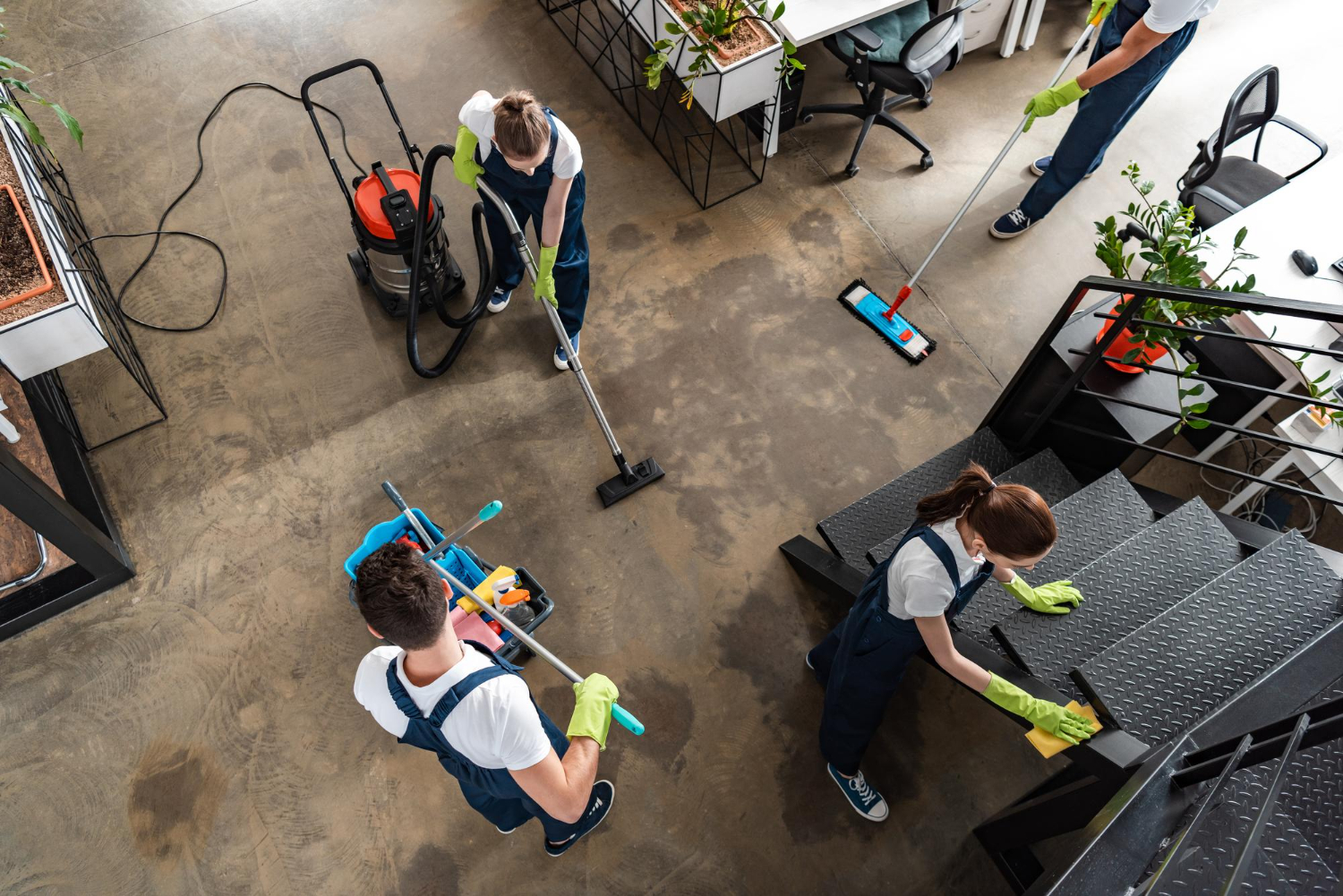
A clean workspace does more than just look good. It affects employee health, customer impressions, and your business reputation. Commercial cleaning services help companies maintain professional environments without pulling employees away from their core work.
Professional cleaning companies offer specialized services that go beyond basic tidying, using trained staff and commercial-grade equipment to keep offices, retail spaces, and facilities clean and safe. These services range from daily janitorial work to deep cleaning, floor care, and sanitization. Many businesses find that hiring experts saves time and money compared to managing cleaning in-house.
Choosing the right cleaning service requires understanding what your business needs and what different companies offer. This guide will walk you through what makes commercial cleaning essential, what services you can expect, and how to pick a company that fits your specific requirements. You’ll also learn about new cleaning technologies and ways to keep your space clean between professional visits.
- What makes commercial cleaning services essential
- Key services offered by commercial cleaners
- How businesses can choose the right cleaning company
- Innovative cleaning techniques and technologies
- Tips for maintaining clean workspaces between professional visits
Keep reading to understand how professional cleaning protects employee health, what services to expect, and how to choose a company you can trust with your facility.
What makes commercial cleaning services essential
Commercial cleaning services protect your business by creating safe, productive spaces that leave positive impressions on everyone who walks through your doors. These services address critical needs that directly impact your bottom line and workplace culture.
Maintaining a healthy and safe workspace
Professional cleaning services reduce the spread of germs and bacteria in your workplace. Regular disinfection of high-touch surfaces like door handles, light switches, and shared equipment stops illness from spreading among your team members.
According to the U.S. Environmental Protection Agency, biological contaminants including bacteria, viruses, mold, and dust mite allergens result from inadequate maintenance and housekeeping, and allergic responses to these pollutants play a key role in triggering asthma episodes for an estimated 15 million Americans. Thorough, consistent cleaning directly reduces these risks in your workplace.
Building maintenance cleaning includes proper trash removal, which prevents pest infestations and unpleasant odors. Clean restrooms with adequate supplies protect your employees’ health and meet basic workplace safety requirements.
Professional cleaners also address safety hazards you might overlook. They keep floors free of debris, ensure walkways stay clear, and prevent slip-and-fall accidents through proper floor care and maintenance.
Enhancing employee productivity and morale
Clean workspaces help your employees focus on their actual job responsibilities. Cluttered, dirty environments create distractions that reduce concentration and work quality.
Your team feels valued when they work in well-maintained spaces. This respect for their environment translates into higher job satisfaction and better retention rates. Employees notice when you invest in their comfort and wellbeing.
According to the CDC Foundation, worker illness and injury costs U.S. employers $225.8 billion annually in lost productivity, making environments that reduce the spread of illness a direct business priority. Regular cleaning eliminates dust and allergens that cause respiratory issues and headaches, contributing to better air quality and more energy throughout the workday.
Regular building maintenance cleaning keeps your equipment and facilities running longer. This prevents unexpected closures or disruptions that interrupt your team’s workflow and project timelines.
First impressions for clients and visitors
Your workspace communicates your business values before anyone speaks a word. Clients who enter a spotless office perceive your company as organized, professional, and detail-oriented.
Dirty or cluttered spaces raise doubts about your reliability and standards. Potential customers wonder if you’ll treat their business with the same neglect you show your own environment.
Clean reception areas, conference rooms, and restrooms show respect for your visitors’ comfort. This attention to detail builds trust and sets a positive tone for business relationships.
Your brand reputation depends partly on the physical spaces you maintain. Regular commercial cleaning protects the image you’ve worked hard to build in your market.
Key services offered by commercial cleaners
Commercial cleaners provide services that range from daily office maintenance to specialized deep cleaning tasks. These services keep your workspace clean, safe, and presentable for employees and visitors.
Daily and periodic janitorial services
Janitorial services form the foundation of most commercial cleaning contracts. These services include emptying trash bins, wiping down desks and surfaces, and cleaning restrooms. Your cleaning team also restocks paper products, soap, and other supplies as needed.
Daily tasks keep your office presentable between deeper cleaning sessions. Your janitorial team vacuums floors, cleans break rooms, and sanitizes high-touch surfaces like door handles and light switches.
Periodic services happen on a weekly, monthly, or quarterly schedule. These include tasks like dusting vents, cleaning light fixtures, and wiping down baseboards. Your cleaning contract typically outlines which services occur daily and which happen less frequently.
Floor care and carpet maintenance
Floor care extends the life of your flooring and keeps your facility looking professional. Hard floor services include sweeping, mopping, and buffing to maintain shine and remove scuff marks. Your cleaning team uses different products and methods based on your floor type, whether tile, vinyl, or hardwood.
Carpet maintenance involves regular vacuuming to remove dirt and debris before it settles deep into fibers. Professional cleaners use commercial-grade equipment that provides more powerful suction than standard vacuums.
Deep carpet cleaning happens on a scheduled basis, typically quarterly or semi-annually. This process uses hot water extraction or steam cleaning to remove embedded dirt, stains, and odors. Specialized stain treatment addresses problem areas like coffee spills or high-traffic zones.
Window cleaning and glass maintenance
Window cleaning removes smudges, fingerprints, and streaks from interior glass surfaces. Your office cleaning services typically include glass doors, partitions, and interior windows as part of regular maintenance.
Interior glass gets cleaned more frequently since fingerprints and smudges appear quickly on high-touch surfaces. Cleaners use specialized solutions that leave glass streak-free and clear.
Exterior window cleaning requires different equipment and safety measures. Buildings with multiple stories need professionals with proper training and tools. This service usually occurs less frequently than interior cleaning, often seasonally or a few times per year.
Specialized cleaning for high-traffic areas
High-traffic areas accumulate dirt and germs faster than other spaces. Lobbies, entryways, and corridors need extra attention to maintain cleanliness standards. Your cleaning team focuses on these zones to create positive first impressions for visitors.
Elevator interiors require frequent cleaning due to constant use. Cleaners wipe down buttons, walls, and handrails multiple times throughout the day in busy buildings.
Conference rooms and common areas receive thorough cleaning after each use or daily. This includes sanitizing tables, chairs, and shared equipment. Break rooms and cafeterias need special attention due to food preparation and consumption, with services that address spills, appliance cleaning, and sanitization of eating surfaces.
How businesses can choose the right cleaning company
Selecting a professional cleaning company requires careful evaluation of their qualifications, pricing structure, and track record with other clients. These three factors help you find business cleaning solutions that match your needs and budget.
Assessing experience and certifications
Experience matters when hiring a professional cleaning company. Look for providers who have worked in your industry for at least three to five years. Different spaces have different cleaning needs — a medical office requires different expertise than a retail store or manufacturing facility.
Ask about specific certifications and training programs. Your cleaning company should carry proper insurance, including general liability and workers compensation. Industry certifications show that the company follows current cleaning standards and safety protocols.
Request proof of proper licensing for your state or city. Some areas require special permits for commercial cleaning operations. Check if the company trains its staff on green cleaning methods, chemical safety, and equipment operation.
Find out what types of facilities they currently service. A company experienced with buildings similar to yours will understand your specific challenges and requirements.
Comparing service packages and pricing
Most business cleaning solutions offer different service packages based on your needs. Basic packages typically include trash removal, vacuuming, and restroom cleaning. Premium packages add window washing, carpet cleaning, and specialized floor care.
Get written quotes from at least three companies. Compare what each quote includes and excludes. Some companies charge by square footage, while others use hourly rates or flat monthly fees.
Pricing Model | Best For | What to Watch Per square foot | Large offices | Hidden fees for special services Hourly rate | Small spaces or one-time jobs | Time tracking accuracy Flat monthly fee | Regular ongoing service | Scope creep and service limits
Ask about extra charges for supplies, equipment, or after-hours work. The lowest price often means cut corners or hidden costs that appear later. You can also check current coupons before requesting quotes to see what promotions are available.
Reading reviews and requesting references
Online reviews provide insight into how a professional cleaning company treats its clients. Check Google, Yelp, and industry-specific review sites. Look for patterns in feedback rather than focusing on single comments.
Pay attention to how companies respond to negative reviews. Good companies address complaints professionally and offer solutions.
Request at least three references from current clients with similar facilities. Contact these references and ask specific questions about reliability, quality, and communication. Find out if the company showed up on time, handled special requests, and fixed problems quickly.
Ask references about staff turnover and whether the same cleaners service their building regularly. High turnover often leads to inconsistent quality and security concerns.
Innovative cleaning techniques and technologies
Commercial cleaning has evolved beyond basic mopping and dusting. Modern services now use advanced tools, green products, and strict protocols to deliver better results while protecting health and the environment.
Eco-friendly cleaning solutions
Green cleaning products have replaced many traditional chemical cleaners in commercial settings. These solutions use plant-based ingredients and biodegradable formulas that break down naturally without harming waterways or ecosystems.
Water-efficient technologies reduce consumption during cleaning tasks. Low-moisture carpet cleaning systems use up to 90% less water than traditional methods. This saves resources and allows carpets to dry faster, reducing downtime in your facility.
Many services now use microfiber cloths and mops instead of disposable paper products. Microfiber captures more dirt and bacteria with less cleaning solution. You can wash and reuse these materials hundreds of times, cutting waste significantly.
Concentrated cleaning formulas require smaller amounts of product and less packaging. Your cleaning team dilutes these concentrates on-site using measured dispensing systems. This approach reduces plastic waste and lowers transportation costs.
Advanced equipment for efficient cleaning
Robotic floor cleaners handle repetitive tasks like vacuuming and mopping large open spaces. These machines navigate autonomously using sensors and mapping technology. Your cleaning staff can focus on detailed work while robots maintain high-traffic areas.
IoT-enabled devices track cleaning activities in real time. Smart dispensers monitor chemical usage and alert managers when supplies run low. Sensors in restrooms detect when cleaning is needed based on actual usage patterns.
According to the U.S. Environmental Protection Agency, HEPA filtration systems can remove at least 99.97% of dust, pollen, mold, bacteria, and airborne particles as small as 0.3 microns from indoor air. Backpack vacuums with HEPA filters allow cleaners to work faster in tight spaces while delivering this level of filtration throughout your facility.
Electrostatic sprayers apply disinfectants evenly across surfaces. The charged particles wrap around objects and reach areas that traditional wiping might miss. This equipment cuts application time while improving coverage.
Disinfection and sanitation protocols
UV-C light devices kill bacteria and viruses on surfaces without chemicals. These tools work well for disinfecting electronics, medical equipment, and other items that can’t tolerate moisture. Your team can sanitize keyboards, phones, and tablets in seconds.
ATP monitoring systems measure organic matter on surfaces to verify cleanliness. Technicians swab an area and get instant results showing whether cleaning met hygiene standards. This data-driven approach ensures consistent quality across your facility.
Color-coded cleaning systems prevent cross-contamination between areas. Red equipment stays in restrooms, blue in general areas, and green in food preparation zones. This simple method protects your occupants from the spread of harmful bacteria.
Dwell time compliance has become standard practice for proper disinfection. Cleaning teams now allow products to remain on surfaces for the manufacturer-recommended time before wiping. This ensures chemicals work effectively against pathogens.
Tips for maintaining clean workspaces between professional visits
Professional cleaning services handle deep cleaning tasks, but daily maintenance keeps your workspace healthy and presentable. Simple habits and quick actions by your team make a significant difference in cleanliness standards.
Daily habits for employees
Encourage your staff to clean their desks at the end of each workday. This means wiping down surfaces with disinfectant wipes and putting away papers and supplies. A clear desk policy helps reduce clutter and makes the cleaning crew’s job easier.
Your employees should sanitize high-touch areas throughout the day. Keyboards, mice, phones, and doorknobs collect germs quickly. Keep disinfectant wipes or spray bottles at each workstation so staff can clean these items during breaks.
Create a culture where everyone takes responsibility for shared spaces. Staff should rinse coffee mugs immediately and wipe down break room counters after use. When someone spills something, they should clean it right away instead of leaving it for later.
Implement a clean-desk policy that requires employees to remove trash daily. Personal waste bins should be emptied into main receptacles before leaving. This prevents odors and reduces pest problems between professional cleaning visits.
Quick spot cleaning tips
Keep cleaning supplies accessible in multiple locations around your office. Stock each area with paper towels, all-purpose cleaner, and disinfectant wipes. This makes it easy for anyone to handle small messes immediately.
Address spills within minutes of occurrence. Blot liquids with paper towels first, then use appropriate cleaners based on the surface type. Quick action prevents stains and reduces the chance of someone slipping.
Focus on visible surfaces that clients and visitors see first. Reception areas, conference rooms, and hallways need quick touch-ups throughout the day. A five-minute walkthrough can identify smudges on glass doors or crumbs on tables.
Scheduling regular inspections
Assign someone to walk through your office each morning before staff arrives. They should check restrooms, break rooms, and common areas for any issues the cleaning service might have missed. This takes about 15 minutes and catches problems early.
Create a simple checklist for weekly spot-checks of less obvious areas. Include items like baseboards, light switches, and under furniture. Rotate responsibility among managers or supervisors to ensure accountability.
Document any recurring problems you notice between professional visits. Share this information with your cleaning service so they can adjust their focus areas. Photos help communicate specific concerns more clearly than written descriptions alone. The FAQ page is also a useful resource if you have questions about scheduling or service scope before reaching out.
Conclusion
Commercial cleaning services provide real value for your business. They help maintain a professional appearance and create a healthier workplace for your employees and customers.
When you hire professional cleaners, you free up time to focus on your core business activities. Your staff can concentrate on their work instead of worrying about cleaning tasks. This leads to better productivity and efficiency.
Professional cleaners bring specialized knowledge and equipment that most businesses don’t have in-house. They know which products work best for different surfaces and can tackle challenging cleaning situations effectively.
The investment in commercial cleaning services pays off through multiple channels. You save money on cleaning supplies and equipment. Your business image improves. Your employees work in a cleaner, more pleasant environment.
Whether you manage a small office or a large facility, professional cleaning services adapt to your specific needs. You can choose the frequency and scope of services that match your budget and requirements. This flexibility makes commercial cleaning accessible to businesses of all sizes. Contact Prime Time Window & Gutter Cleaning to learn more about commercial cleaning solutions for your property.