
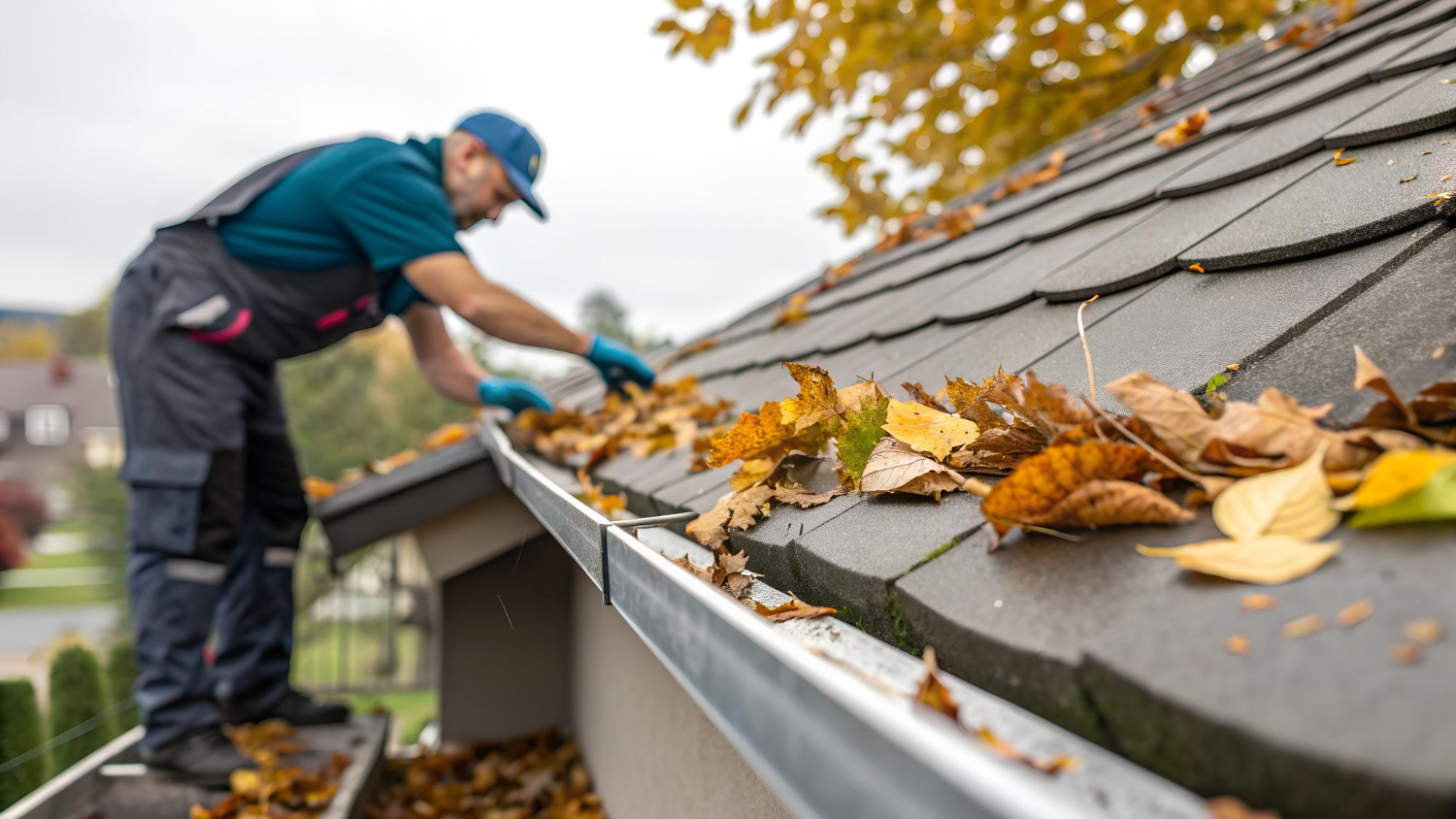
Chicago homeowners know that gutters are the first line of defense against water damage, and keeping them clear is one of the most cost-effective maintenance tasks you can do. When debris accumulates and the system fails, the consequences reach your foundation, roof, and basement. In this article, you’ll find everything you need to maintain your gutter system effectively.
- The importance of gutter cleaning for Chicago homes
- Common signs your gutters need cleaning
- What professional gutter cleaning includes
- How often you should schedule gutter cleaning in Chicago
- Choosing a professional gutter cleaning company in Chicago
Keep reading to understand exactly when and why your gutters need professional attention, and how to protect your home year-round.
The importance of gutter cleaning for Chicago homes
Chicago’s weather patterns create unique challenges for gutter systems throughout the year. Understanding how gutters protect your property and what happens when they fail helps you make informed decisions about maintenance.
How gutters protect your home from water damage
Gutters channel rainwater away from your home’s foundation, walls, and roof. When they work correctly, water flows through the system and exits several feet away from your house.
Without functioning gutters, water pours directly off your roof. This creates pools around your foundation that can seep into basements and crawl spaces. The water also splashes against your home’s exterior walls, leading to wood rot and paint damage.
Your roof benefits from clean gutters too. When gutters overflow, water backs up under shingles and can damage the roof deck. This moisture causes leaks that spread to your attic and ceilings.
The landscape around your home stays protected when gutters direct water properly. Overflowing gutters erode soil, damage plants, and create muddy areas in your yard.
Common gutter problems in Chicago neighborhoods
Leaf and debris buildup tops the list of gutter issues in Chicago neighborhoods. Trees drop leaves heavily in fall, filling gutters and blocking water flow.
Ice dams form during winter when trapped water freezes in gutters. The ice expands and can crack gutter seams or pull gutters away from your home. Snow melt has nowhere to go and backs up under your roof.
Sagging gutters occur when debris weight strains the hangers. Chicago’s wet springs add extra water weight that stressed gutters can’t support.
Here are the most frequent problems by season:
- Spring: Seeds, pollen, and storm debris
- Summer: Dirt accumulation and bird nests
- Fall: Leaves and twigs
- Winter: Ice formation and snow buildup
The risk of ignoring gutter maintenance
Foundation damage ranks as the costliest problem from neglected gutters. Water pooling around your foundation causes cracks that let moisture into your basement. These repairs often cost thousands of dollars.
Roof leaks develop when backed-up water finds its way under shingles. You might not notice these leaks until water stains appear on your ceiling or walls.
Pest infestations happen in clogged gutters. Standing water attracts mosquitoes while debris piles give mice and birds nesting spots. These pests can move from gutters into your home.
Fascia board rot occurs when overflowing water soaks the wooden boards behind your gutters. Replacing fascia boards requires removing gutters and costs more than regular cleaning.
Your home’s value drops when water damage becomes visible. Stained siding, cracked foundations, and damaged landscaping signal poor maintenance to potential buyers.
Common signs your gutters need cleaning
Your gutters give clear warnings when they’re clogged and need attention. Catching these signs early helps you avoid water damage to your home’s foundation, roof, and walls.
Water overflowing from gutters
When water spills over the sides of your gutters during rain, it means debris is blocking the flow. You’ll notice water cascading down like a waterfall instead of moving smoothly through the system. This overflow happens because leaves, twigs, and dirt create dams that trap water.
The water that spills over can damage your siding and create pools around your foundation. In Chicago’s heavy rainstorms, even small clogs can cause major overflow problems. You might see stains or streaks on your home’s exterior where water repeatedly spills over the same spots.
Check your gutters during the next rainfall. If you see water pouring over the edges instead of coming out the downspouts, your gutters need cleaning right away.
Leaves and debris buildup
Visible debris in your gutters is the most obvious sign they need cleaning. You can often spot leaves, twigs, and dirt piled up just by looking at your gutters from the ground. In fall, Chicago’s trees drop massive amounts of leaves that quickly fill gutters.
Small plants or weeds growing from your gutters mean organic matter has been sitting there long enough to create soil. Birds and squirrels sometimes build nests in clogged gutters too. All this buildup prevents water from flowing properly.
You might also notice shingle granules collecting in your gutters. These small particles wash off your roof over time and can contribute to clogs when mixed with other debris.
Sagging or damaged gutters
Gutters that pull away from your house or sag in sections are carrying too much weight from trapped water and debris. The extra weight strains the hangers and brackets that hold your gutters in place. You’ll see gaps between the gutter and your roofline where they’ve separated.
Clogged gutters stay heavy with standing water long after it stops raining. This constant weight bends the metal and damages the fasteners. Some sections might hang at odd angles or appear warped.
Look for visible damage like cracks, holes, or separated seams. These problems often start small but get worse when gutters stay full of heavy, wet debris.
Downspouts not draining properly
Your downspouts should release a steady stream of water during rain. When they only drip slowly or stay completely dry while your gutters overflow, there’s a blockage somewhere in the system. The clog might be in the downspout itself or where the gutter connects to it.
Check the ground near your downspouts after it rains. You should see evidence of water flow. If the area stays dry during storms, your downspouts aren’t working.
Standing water in your gutters between rainstorms also signals drainage problems. Properly functioning gutters empty completely after rain stops. Water that sits for days means your system can’t drain and needs immediate cleaning.
What professional gutter cleaning includes
Professional gutter cleaning services in Chicago handle debris removal, downspout maintenance, damage inspection, and property cleanup to protect your home from water damage.
Removing debris from gutters
Professional cleaners remove all leaves, twigs, dirt, and other buildup from your gutter channels. They use specialized tools like gutter scoops, high-powered blowers, and sometimes pressure washers to clear out packed debris that blocks water flow.
The cleaning process covers the entire length of your gutter system. Technicians work section by section to ensure nothing gets left behind. They pay special attention to corners and end caps where debris tends to accumulate the most.
Most services remove debris by hand first, then finish with a flush to catch smaller particles. This two-step approach ensures your gutters are completely clear. The goal is to restore full water flow capacity so rainwater can move freely through the system without overflowing or pooling.
Downspout flushing and inspection
Downspout cleaning is a key part of professional gutter cleaning Chicago services. Technicians flush water through each downspout to check for clogs and verify proper drainage. If water backs up or drains slowly, they use specialized tools to break up blockages.
Common downspout problems include packed leaves, dirt buildup, and debris lodged in the elbow joints. Professionals use plumber’s snakes, pressure washers, or blower systems to clear these obstructions. They make sure water flows all the way from the gutter through the downspout to the ground outlet.
After clearing the downspouts, technicians test the entire drainage path. They check that water exits away from your foundation as intended. Proper downspout function prevents water from pooling near your home’s base, which can cause foundation damage and basement flooding.
Checking for leaks and damage
Professional cleaners inspect your gutters for signs of wear while they work. They look for holes, rust spots, separated seams, and loose brackets that need attention. According to the U.S. Environmental Protection Agency, water that pools near a home’s foundation due to poor drainage is a leading contributor to basement moisture problems and structural deterioration. Small leaks often get sealed on the spot with appropriate sealant.
The inspection includes checking gutter alignment and pitch. Gutters need to slope slightly toward downspouts for proper drainage. Technicians identify sagging sections that hold water and may recommend adjustments.
They also examine fascia boards behind the gutters for rot or water damage. Catching these issues early helps you avoid expensive repairs later. Many services provide a basic report of their findings so you know what maintenance your system needs.
Cleaning up debris around the property
Professional services don’t leave piles of wet leaves and gunk around your property. They collect all debris removed from your gutters and haul it away. Most companies bag the waste and dispose of it properly.
Ground cleanup is standard practice for reputable gutter cleaning companies. They sweep or blow away any debris that fell during the cleaning process. Your yard, driveway, and landscaping should look clean when they finish.
Some services also rinse down the exterior of your gutters if they’re particularly dirty. This extra step improves your home’s appearance and removes streaks or stains from the gutter faces.
How often you should schedule gutter cleaning in Chicago
Most Chicago homes need gutter cleaning at least twice a year, but your specific situation may require more frequent attention based on tree coverage and seasonal debris patterns.
Seasonal gutter cleaning recommendations
Chicago’s climate creates distinct challenges for gutter maintenance throughout the year. Spring brings tree pollen, seeds, and early growth debris that can quickly clog your gutters. Fall delivers the heaviest load of leaves and organic material, especially during October and November.
You should schedule cleanings in late spring after trees finish dropping seeds and again in late fall once most leaves have fallen. Some experts recommend a third cleaning for Chicago homes, splitting fall maintenance into two sessions to handle the heavy leaf volume.
Winter inspections are important too, even if you’re not doing a full cleaning. Check your gutters after major storms or heavy snowfall to spot ice dams or damage early.
Homes surrounded by trees
Properties near oak, maple, or pine trees need more frequent gutter maintenance Chicago attention than homes in open areas. These trees drop seeds, needles, leaves, and small branches throughout multiple seasons.
You should clean your gutters three to four times per year if large trees hang over or near your roofline. Pine trees are especially problematic because they shed needles year-round, not just seasonally.
Homes on steep roofs or properties in high-rainfall zones also face faster debris buildup. The combination of tree coverage and Chicago’s weather patterns means your gutters fill up faster than average.
Spring and fall maintenance schedule
Late spring cleaning should happen in May or early June. This removes accumulated winter debris, spring pollen, and seed pods before summer storms arrive. Your gutters need clear paths to handle Chicago’s heavy summer rainstorms.
Fall maintenance works best in two stages if you have significant tree coverage. Schedule the first cleaning in mid-October to remove early leaf drop. Book your second appointment in late November or early December after trees are bare.
This twice-in-fall approach prevents overflow during autumn rains and prepares your system for winter freeze-thaw cycles. Clean gutters before winter help prevent ice dams that can damage your roof and foundation.
Choosing a professional gutter cleaning company in Chicago
Finding the right gutter cleaning service in Chicago means looking for companies with local experience, proper safety practices, and flexible maintenance plans. These factors help protect your home and save you money over time.
Experience with residential properties
A gutter cleaning service in Chicago should understand how local weather affects homes. Chicago homes face heavy spring rains, summer storms, and harsh winters that create unique gutter problems. Look for companies that specifically mention residential gutter cleaning in Chicago as part of their services.
Ask potential companies how long they have worked in the area. Local experience means they know how to handle issues common to Chicago homes, like ice dams and heavy leaf buildup from mature neighborhood trees. Companies familiar with Chicago’s older homes also understand different gutter systems and architectural styles.
Check if the company can show you examples of past residential work. You want to see that they have cleaned gutters on homes similar to yours. Companies that work mainly on commercial properties might not give your home the detailed attention it needs.
Proper safety equipment and methods
Professional gutter cleaners should use ladders rated for commercial work and safety harnesses when working on second stories or higher. They need liability insurance and workers’ compensation coverage to protect you if accidents happen on your property.
Ask what cleaning methods they use. Good companies remove all debris by hand or with professional vacuums, then flush downspouts with water to check for clogs. They should also inspect your gutters for damage, loose fasteners, and small leaks during each cleaning.
The crew should wear non-slip boots and use ladder stabilizers to avoid damaging your siding or gutters. Professional teams bring their own equipment and never ask to borrow your tools or ladders.
Scheduling routine gutter maintenance services
Chicago homes need gutter cleaning at least twice per year. Schedule one cleaning in late spring after trees drop seeds and pollen, and another in late fall after leaves finish falling. Some homes near heavy tree coverage need three or four cleanings annually.
According to the U.S. Forest Service, Chicago’s urban tree canopy contributes significantly to seasonal debris loads, with mature oak and maple trees depositing debris across multiple seasons each year. Many residential gutter cleaning Chicago companies offer maintenance contracts that lock in your cleaning dates and often provide discounts.
Ask if the company offers flexible scheduling and same-day service for emergencies. Storm damage or sudden clogs need quick attention to prevent water damage to your home’s foundation and landscaping. You can also check customer reviews to find trusted local providers.
Conclusion
Keeping your gutters clean in Chicago protects your home from serious damage. The city’s weather changes throughout the year, bringing heavy rain, snow, and falling leaves that can clog your gutters quickly.
You should clean your gutters at least twice per year to prevent water damage to your roof, walls, and foundation. Regular maintenance stops leaks, mold growth, and expensive repairs down the road.
According to the Federal Emergency Management Agency, inadequate roof drainage and gutter maintenance are among the most common factors contributing to residential flood damage claims in the Midwest. Addressing this through scheduled professional service is far less expensive than the repairs that follow neglect.
You can choose to clean your gutters yourself or hire a professional company. If you decide to hire help, look for licensed and insured contractors with good reviews from other Chicago homeowners.
Clean gutters direct water away from your home properly. When gutters get blocked, water overflows and damages your property. This can lead to foundation problems, basement flooding, and roof damage.
Taking care of your gutters now saves you money later. A small investment in regular cleaning prevents major repair costs. Your gutters work hard to protect your home, so give them the attention they need.
Start by scheduling your next gutter cleaning. Mark your calendar for spring and fall cleanings to stay ahead of seasonal debris. Contact Prime Time Window Cleaning to schedule your next service and protect your home year-round.