
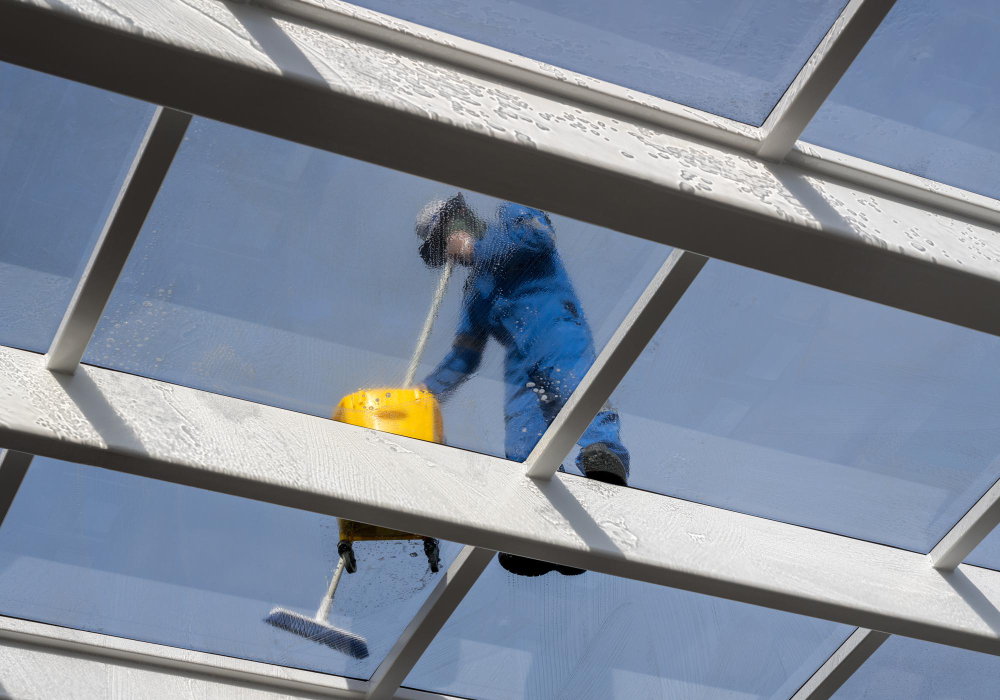
Skylights bring natural light into Chicago homes, but dirty glass can block up to 40% of the sunlight trying to enter your space. Regular skylight cleaning restores the full brightness these features were designed to provide, making rooms feel more open and inviting. Dust, pollen, water spots, and grime build up faster than you might expect, especially given Chicago’s weather patterns.
You might not realize how much light you’re missing until you see your skylights properly cleaned. The difference between dirty and clean glass is dramatic, affecting not just brightness but also your mood and energy costs. Your skylights deserve the same attention you give your windows.
Professional cleaning addresses both safety and effectiveness concerns that make skylight maintenance challenging for homeowners. The right approach protects your investment while maximizing the natural light that makes your Chicago home feel brighter and more comfortable throughout the year.
In this article, you will learn about:
- Natural light limited by dirty glass
- Unexpected dirt accumulation on skylights
- Mirror clarity and light amplification
- Enhancing room brightness through glass care
- Professional services for lasting results and safety
Keep reading to discover how proper skylight and mirror maintenance can transform the brightness and comfort of your Chicago home.
Natural light limited by dirty glass
Skylights lose their ability to brighten your space when dirt, dust, and residue accumulate on the glass. Even thin layers of grime reduce the amount of sunlight entering your home or office, creating darker rooms that need more artificial lighting.
Gradual film and residue diminish indoor brightness
Your skylights collect microscopic particles every day. Dust settles on the glass surface during calm weather. Rain leaves behind mineral deposits as water evaporates. Pollen sticks to the glass during spring and summer months.
This buildup happens so slowly that you might not notice the change. A thin film of dirt can block up to 30% of incoming light. The reduction feels gradual because your eyes adjust to the darker conditions over weeks and months.
Airborne pollutants in Chicago create a sticky residue on skylight glass. Car exhaust, industrial emissions, and urban dust combine with moisture to form a coating that’s harder to remove than regular dirt. This film doesn’t wash away with regular rainfall.
Faster buildup seen in skylights versus regular windows
Skylights face unique cleaning challenges compared to vertical windows. Their horizontal or angled position makes them catch more debris. Leaves, twigs, and dirt land directly on the glass and stay there.
Common debris that accumulates faster on skylights:
- Tree pollen and seeds
- Bird droppings
- Roof shingle granules
- Standing water spots
- Moss and algae growth
Regular windows benefit from rain washing some dirt away as water runs down the vertical surface. Skylights hold water in place, allowing minerals to dry and bond with the glass. The trapped moisture also encourages organic growth like mildew.
Cumulative impact of minor visibility reductions
Small amounts of dirt don’t seem significant at first. A 10% light reduction might go unnoticed. But seasonal buildup compounds this effect. By winter, your skylights might block 40-50% of available sunlight.
Less natural light changes how you use your space. You turn on lights earlier in the day. Rooms feel smaller and less welcoming. Plants near skylights grow slower or stop thriving. According to the U.S. Department of Energy, daylighting through windows and skylights is a proven building strategy that reduces lighting, heating, and cooling costs for homeowners by maximizing the benefits of natural light and temperature regulation.
Your energy costs increase when skylights can’t provide adequate natural light. Electric lighting runs longer throughout the day. In Chicago’s climate, this extra usage adds up during the already-dark winter months when you need natural light most.
Unexpected dirt accumulation on skylights
Skylights in Chicago collect more than simple dust over time. Airborne particles, weather patterns, and hard-to-reach positions create layers of buildup that block natural light faster than most homeowners expect.
Airborne debris on elevated glass
Chicago’s urban environment sends constant streams of particles toward your skylights. Pollen from trees, exhaust from traffic, and industrial emissions settle on the glass throughout the year. These particles stick to the surface and mix with moisture to form a film that blocks light.
The height of your skylights makes them perfect collectors for airborne dirt. Wind carries lightweight debris upward, where it lands and stays on horizontal or angled glass surfaces. Dead leaves, bird droppings, and small twigs also accumulate in corners and edges.
Your skylights face different types of airborne dirt depending on the season. Spring brings heavy pollen loads, while fall adds leaf fragments and seed pods. Winter contributes road salt particles that travel through the air during strong winds.
Rain and environmental residue
Rain might seem like it would clean your skylights, but it actually makes them dirtier. Rainwater mixes with pollution particles in the air before hitting the glass. When the water dries, it leaves behind mineral deposits and environmental residue.
Chicago’s weather creates specific challenges for skylight cleanliness. Hard water in the area means rain contains high mineral content. These minerals form white spots and streaks that build up over time and become harder to remove with each rain cycle.
Acid rain from industrial areas also affects skylight glass. The acidic content etches into accumulated dirt and creates stubborn stains. These stains appear as cloudy patches that reduce light transmission even when the glass looks relatively clean from below.
Location challenges that delay maintenance
Your skylights sit in the most inconvenient spots for regular cleaning. Most require ladder access to the roof or special equipment to reach safely. This difficulty means skylights get cleaned far less often than ground-level windows. According to OSHA, falls from elevation remain the leading cause of death in the construction industry, with 389 fatal falls recorded in 2024 alone. Homeowners face similar risks when attempting roof access without proper training and equipment.
Interior access to skylights presents its own problems. You need to move furniture, set up scaffolding, or use extension poles that don’t always work well. Many homeowners skip cleaning because the setup takes too much time and effort.
Professional cleaners charge more for skylight work due to safety requirements and specialized equipment needs. The extra cost and scheduling challenges push maintenance further down your priority list, allowing dirt to accumulate for months or years between cleanings.
Mirror clarity and light amplification
Clean mirrors work with your skylights to spread natural light throughout your home. Dust and smudges reduce how much light your mirrors can reflect into darker areas.
Reflective quality compromised by smudges and dust
A dirty mirror can lose up to 30% of its reflective capacity. When dust particles settle on the glass surface, they scatter light instead of reflecting it cleanly. Fingerprints and smudges create similar problems by disrupting the smooth surface needed for proper reflection.
The film that builds up on mirrors comes from several sources. Bathroom mirrors collect soap residue and water spots. Kitchen mirrors accumulate cooking grease. Living area mirrors gather dust and pet dander over time.
You need specific cleaning methods to restore full reflectivity. Streaks from improper cleaning can be worse than light dust. Professional glass polishing teams use specialized solutions that leave no residue.
Hard water stains present another challenge for mirror clarity. These mineral deposits create a cloudy appearance that blocks light transmission. Regular cleaning prevents these deposits from becoming permanent.
Optimizing mirror placement for light distribution
Strategic mirror placement doubles the value of your skylight investment. Position large mirrors directly across from skylights to bounce light into darker corners. The angle matters as much as the location.
Wall-mounted mirrors should sit at eye level or higher to catch overhead skylight beams. Leaning floor mirrors against walls lets you adjust angles seasonally as the sun’s position changes. This flexibility helps you maximize light year-round.
Room dimensions affect how many mirrors you need. Narrow hallways benefit from mirrors on both walls to create a light tunnel effect. Large rooms may need multiple mirrors placed at different angles to eliminate dark spots.
Test your mirror placement on sunny days before permanent installation. Move mirrors around to find positions that spread light most effectively. Mark these spots for future reference.
Key home areas improved by clean mirrors
Entryways gain the most from strategic mirror and skylight combinations. Clean mirrors near your front door reflect natural light to create welcoming first impressions. These spaces often lack windows, making reflected light essential.
Home offices need consistent lighting for productivity. A well-placed clean mirror can redirect skylight beams onto your workspace. This reduces eye strain and cuts electricity costs during daylight hours.
Stairwells pose safety concerns when poorly lit. Mirrors on landing walls catch skylight illumination and guide it down multiple levels. Clean reflective surfaces ensure adequate visibility on every step.
Dining areas feel more spacious with proper light distribution. Position mirrors to reflect skylight brightness across your table during meal times. This natural lighting enhances food presentation and creates better ambiance than artificial options.
Enhancing room brightness through glass care
Clean skylights allow significantly more natural light to enter your home, directly impacting how bright and welcoming your rooms feel. Proper glass care prevents buildup that blocks sunlight and reduces the quality of light filtering into interior spaces.
Positive effects of clean skylights on interior spaces
When you maintain clean skylight glass, you allow up to 30% more natural light to pass through compared to dirty or streaked surfaces. This increased light transmission reduces your need for artificial lighting during daytime hours. Your rooms appear more spacious and colors look more accurate under natural light.
Dirt, debris, and water spots scatter incoming light. This creates dim, uneven lighting that makes spaces feel closed off. Regular cleaning removes these obstructions and restores clear light paths.
Clean glass also prevents the yellowing effect that occurs when grime builds up over time. This yellowing tints your natural light and changes how your interior looks. Fresh, clear glass ensures neutral white light enters your home.
The improved brightness from clean skylights can enhance your mood and productivity. Natural light helps regulate your sleep-wake cycle and provides vitamin D exposure indoors.
Boosting light in hallways and inner rooms
Skylights positioned over hallways or central areas distribute natural light to spaces that lack exterior windows. When these skylights stay clean, they transform dark corridors into bright pathways. The light spreads to adjacent rooms through doorways and openings.
Inner rooms that rely entirely on borrowed light from skylights suffer most when glass gets dirty. A layer of grime can reduce light levels by half or more in these spaces. Keeping skylights clean becomes essential in floor plans where natural light must travel through multiple areas.
Strategic skylight placement combined with regular cleaning maximizes light penetration. Light reflects off walls and ceilings to reach corners that would otherwise stay dim. You gain functional brightness in storage areas, closets, and interior bathrooms.
Fostering an open and inviting home environment
Natural light from well-maintained skylights creates visual connections between indoor spaces and the outdoors. This connection makes rooms feel less confined and more breathable. Your home takes on an airy quality that artificial lighting cannot replicate. According to the EPA, natural ventilation through open windows and doors is one of the primary methods for bringing outdoor air into a home, helping dilute indoor pollutants that accumulate in tightly sealed spaces.
Clean glass maintains clarity that lets you see sky, clouds, and weather conditions. These views add dimension to your ceiling plane and prevent rooms from feeling boxed in. The changing light throughout the day creates dynamic interior conditions.
Guests notice bright, naturally lit spaces immediately upon entering. The openness signals good home maintenance and creates positive first impressions. Your home feels more inviting when light flows freely through clean skylights into living areas, kitchens, and gathering spaces.
Professional services for lasting results and safety
Hiring trained cleaners ensures your skylights receive proper care while addressing hard-to-reach locations and stubborn grime that compromise natural light. Professional teams bring specialized equipment and techniques that protect your investment and maintain brightness year-round.
Overcoming access challenges with skylight cleaning
Most skylights sit in difficult locations like vaulted ceilings or steep roofs where standard cleaning tools can’t reach. Professional skylight cleaning services use extension poles, scaffolding, and safety harnesses to access these areas without risk.
Your safety matters more than attempting a dangerous climb. Trained technicians know how to navigate different roof pitches and ceiling heights while protecting surrounding fixtures and interior spaces.
Professional teams also understand how to work around different skylight designs. Some units open while others remain fixed, and each type requires specific handling to avoid damage to seals and frames.
Common access solutions include:
- Extension poles with specialized cleaning heads
- Roof anchors and safety lines for steep installations
- Interior access for accessible skylights
- Scaffolding for commercial properties with multiple units
Safely removing stubborn buildup
Hard water stains, bird droppings, pollen, and environmental pollutants create layers that block light and can damage glass over time. Professional cleaners use pH-balanced solutions that dissolve buildup without harming protective coatings or seals.
Standard household cleaners often leave streaks or contain chemicals that degrade skylight materials. Trained technicians select products based on your skylight’s specific glass type and frame material.
The cleaning process addresses both exterior and interior surfaces. Exterior cleaning removes weather-related debris while interior cleaning handles dust and condensation marks that accumulate from indoor air.
Proper technique prevents scratching and seal damage. Professionals use microfiber tools and controlled water pressure rather than abrasive materials that compromise glass clarity.
Routine maintenance for consistent brightness
Regular skylight maintenance prevents buildup that reduces natural light by up to 40%. Most homes benefit from professional cleaning twice yearly, though properties near trees or industrial areas may need quarterly service.
Scheduled maintenance costs less than waiting until severe staining requires intensive treatment. Routine visits also allow technicians to spot seal deterioration, frame damage, or moisture issues before they become expensive repairs. Keeping gutters clear also helps prevent water from pooling around skylight edges and causing additional buildup.
Professional services track your cleaning history and adjust schedules based on your specific environment. They document skylight condition and recommend timing adjustments if needed.
Between professional visits, you can wipe interior surfaces with a dry screen-free cloth to maintain clarity. Leave exterior cleaning and detailed work to trained teams who have proper safety equipment and cleaning solutions.
Conclusion
Clean skylights make a real difference in how much natural light enters your Chicago home or business. When you maintain them regularly, you get better brightness and a more inviting space.
Professional cleaning removes dirt, pollen, and grime that blocks sunlight over time. You can try to clean skylights yourself, but they’re hard to reach and require the right tools for safety.
Chicago weather brings unique challenges. Winter grime, road dust, and mineral deposits can build up quickly on your skylights. Regular maintenance keeps these problems under control.
You should schedule skylight cleaning at least once or twice a year. This prevents heavy buildup and keeps your skylights working as they should. Professional cleaners have the equipment and experience to do the job safely.
Your skylights are an investment in your property. They add beauty and function to your space when properly maintained. Don’t let dust and debris reduce the natural light you paid for when you installed them.
Taking care of your skylights means brighter rooms and a better environment. Whether you clean them yourself or hire professionals, regular maintenance protects your investment and maximizes the natural light in your Chicago property. Contact Prime Time Window to schedule skylight and window cleaning that keeps your home at its brightest.